
What Is Whiskey Row in Louisville Famous For?
Last Updated: Apr 24, 2026
What Is Whiskey Row Famous For?
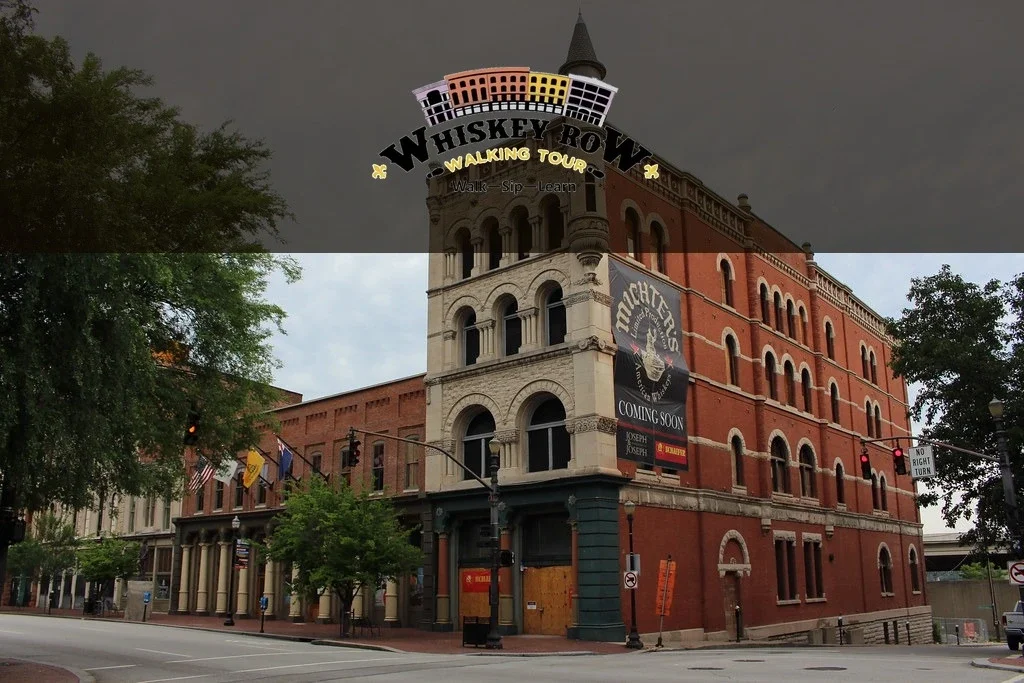
Whiskey Row in Louisville, Kentucky is famous for being the historic commercial center of the American bourbon industry. From the 1870’s until 1920 when Prohibition began, the blocks between Brook, First and Second Streets along West Main Street were home to distillery offices, whiskey warehouses, and spirits traders that made Louisville the leading bourbon market in the country. Today it is equally famous for its remarkable revival as a working craft distillery district, housing award-winning tasting rooms and some of the most significant 19th-century commercial architecture in the American South. The combination of deep bourbon history and living, pourable craft production makes it unlike any other street in America.
The Block That Defined American Bourbon
I've walked this block more times than I could ever count, and the thing that still moves me after fifteen years of guiding is the sheer scale of what happened here. We are talking about two blocks of Main Street that, for over Fifty years, functioned as the commercial engine of the entire American whiskey industry. That is not an exaggeration. It is history.
By the 1870’s, distilleries from across Kentucky were shipping their barrels to Louisville for warehousing and sale. The Ohio River made Louisville the ideal hub -- barrels could move north to Cincinnati, east to Pittsburg, west to St. Louis by the Ohio River or train, or south down the river to New Orleans. So the whiskey firms concentrated on Main Street, one block from the water.
Famous for Its Architecture
One of the things I spend real time on during tours is the architecture, because it tells a story most visitors don't expect. The buildings on Whiskey Row were not thrown up quickly. They were built between 1852 and 1905 by firms that wanted to project permanence, ambition, and success. The result is one of the finest collections of 19th-century commercial architecture in the South: Renaissance Revival facades, Chicago School horizontals, and those distinctive cast-iron storefronts that give the block its particular character.
Those cast-iron fronts are part of why Whiskey Row ended up on Louisville's Most Endangered Historic Places list in 2011 -- developers wanted the land, and preservationists fought back. The block was saved by being listed on the National Register of Historic Places in the 1970’s, and eventually restored. Standing in front of these buildings today, knowing how close they came to being demolished, is something I never take for granted.
Famous for Surviving Prohibition
Prohibition is the chapter of Whiskey Row's story I find most compelling to tell, because it is a story of near-total collapse followed by an extraordinarily long wait. When the Volstead Act took effect in 1919, the distillery operations on Main Street shut down almost overnight. Brown-Forman managed to hold on under one of the six federal medicinal whiskey licenses, but most firms simply closed. The bourbon industry's presence on Whiskey Row -- which had defined Main Street for 70 years -- ended in a matter of months.
For the next several decades, those magnificent buildings housed coin dealers, accounting firms, and nightclubs. The bones were there, but the reason the block had been built was gone. It would take nearly a century before bourbon came home.
Famous for a Revival Nobody Predicted
The modern revival of Whiskey Row is the chapter I get to tell with genuine excitement, because I watched it happen. In 2013, the Evan Williams Bourbon Experience opened at 528 West Main and changed everything. It was the first major bourbon tourism investment on the street in the post-Prohibition era, and it proved the concept. In 2018, Old Forester Bourbon had returned to its original 1882 address at 119 West Main. Bardstown Bourbon Company, Buzzard's Roost, Big Bat Bourbon, Pursuit Spirits and many others soon followed.
The block that had been the center of American bourbon for a century was back -- and this time, visitors could walk in, sit down, and taste it. That is what Whiskey Row is famous for now: not just what it was, but what it has become.
What Makes It Worth Visiting Today
In my experience guiding hundreds of visitors through this district, the thing that surprises people most is how layered it is. They come for the bourbon -- the tastings, the distillery tours, the education -- and they leave having also absorbed over 200 years of American history, architecture, and culture. That combination is unique to Whiskey Row. You cannot get it anywhere else.
The tastings are excellent. The distilleries are working and worth your time. But the block itself -- the buildings, the street, the story of how this all came to be and almost didn't survive -- that is what Whiskey Row is famous for, and that is what I spend my career helping people understand.
Ready to experience Whiskey Row for yourself? Come tour Whiskey Row alongside me in real life. Book your spot at whiskeyrowwalkingtour.com and I will see you on the Row.

About the Author
Drew Shryock | Lead Guide & Owner, Whiskey Row Walking Tour
I'm Drew Shryock, owner and lead guide of the Whiskey Row Walking Tour. I've been guiding tours on this block for fifteen years, and the story of how Whiskey Row rose, fell, and rose again is one I never get tired of telling. My background in Louisville's Economic Development Department -- 22 years working on the projects that shaped this city -- gives me a perspective on this block that goes well beyond bourbon.
When I lead a tour, I want every guest to leave knowing not just what they tasted, but why this block matters. That is the story Whiskey Row is famous for.